
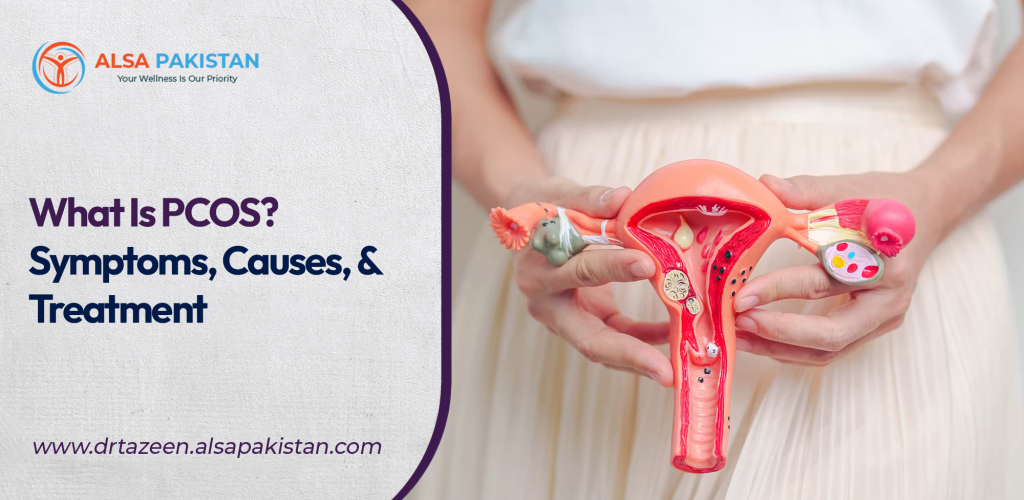
Polycystic ovary syndrome is one of the most widespread female hormonal diseases. Knowing the exact reason behind it and exploring suitable PCOS treatment options at a women health clinic is necessary for maintaining normal reproductive health. However, many women spend years experiencing its manifestations but do not understand why.
For example, a woman may experience irregular menstruation, weight gain, acne, and difficulties with conception. All these symptoms may be treated unsuccessfully through different methods, such as following various diets, applying skin care products, and trying other approaches. Eventually, these issues may negatively impact her self-confidence, emotional well-being, and overall health. Seeking guidance from a gynecologist in Lahore can help women receive proper evaluation and personalized care.
Fortunately, polycystic ovary syndrome can be controlled. If a patient receives an early diagnosis and undergoes appropriate PCOS treatment, she can manage all symptoms and become healthy again. Dr. Tazeen Ashraf efficiently diagnoses women who struggle with PCOS symptoms and performs effective and successful treatment.
She has been treating women’s reproductive health issues for more than 10 years, which is why patients from across Pakistan and Lahore trust her. This article describes all necessary information on PCOS, such as symptoms, causes, diagnostic procedures, complications, and methods of PCOS treatment in women.
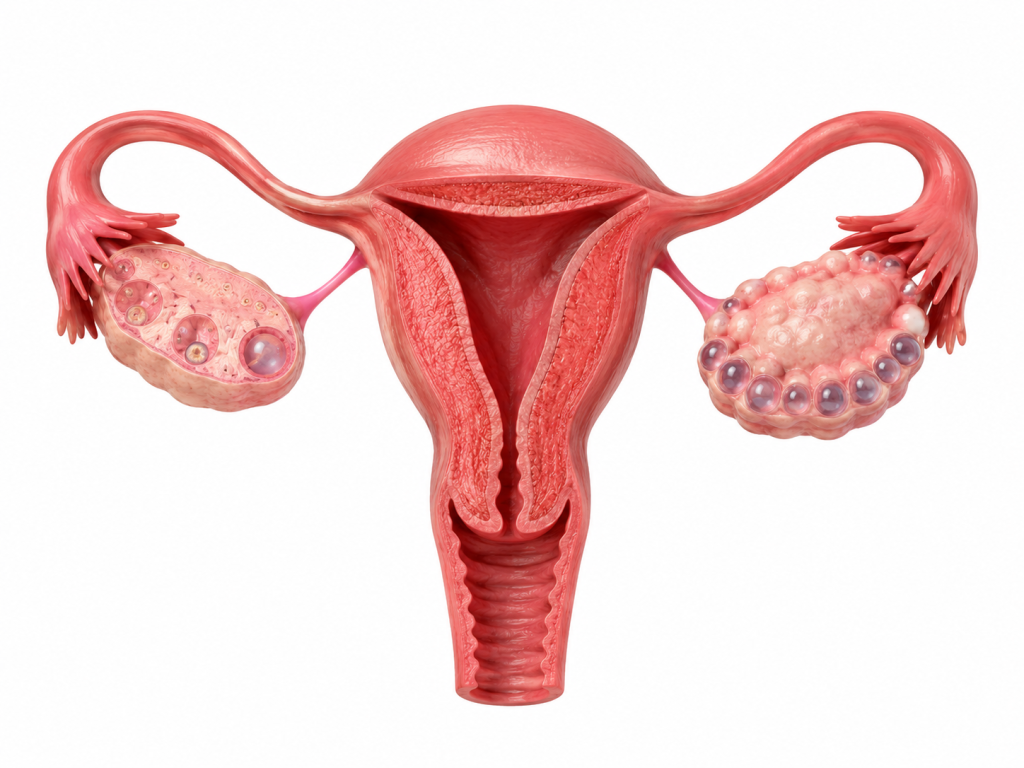
Polycystic Ovary Syndrome (PCOS) is a disorder that affects hormonal regulation and ovulation. The body produces excessive amounts of male hormones known as androgens. As a result, ovulation becomes impaired, which leads to menstrual cycle disorders and other manifestations of this disease. Seeking professional guidance for PCOS treatment in Lahore can help manage these hormonal changes and improve overall reproductive health.
Although the term “polycystic” suggests that many females who have PCOS develop cysts on their ovaries, this is not always the case. PCOS is one of the most common reasons for fertility problems. Nevertheless, PCOS is not only about fertility but also involves many other aspects of female health as well.
The symptoms of PCOS are highly individualized and vary greatly from person to person. While for some women the problem may be their inability to conceive, for others it might be the emotional trauma associated with hair loss and significant weight gain.
The symptoms being as numerous as they are, affecting both inner and outer aspects of a person’s body, they can affect one’s self-confidence negatively. It is the reason why effective PCOS treatment options are necessary to consider according to the severity of the condition. Below are the most frequently observed symptoms:
Infrequent or Absent Menstruation:
Menstruation not happening as frequently as it should. Fewer than eight periods annually, and excessive and painful menstruation.
Hirsutism
The development of hair in inappropriate areas for women, including the chin, lips, chest, stomach, and back.
Severe Acne
Acne that appears on the face, chest, and upper back that can’t be controlled through common skincare creams.
Unexplained Weight Gain and “PCOS Belly”
Sudden weight gain, especially in the middle section of the body, and struggling to lose it, no matter how much exercise or dieting one does.
Loss of Hair
Feeling sad because of hair loss from the scalp, generally in the top portion of the scalp or on the hairline.
Acanthosis Nigricans (Darkened Skin)
Dark skin patches that appear in body creases. Most commonly in the neck area, armpits, under the breasts, and groin areas.
Changes in Mood
Being troubled by depression, anxiety, and mood changes. Being very vulnerable to developing depression.
Here is how this disorder can impact your life based on the symptoms:
| Symptom Category | Physical Reality | Emotional Impact |
|---|---|---|
| Reproductive | Missed ovulation, unpredictable cycles, and struggles with infertility. | Anxiety over future family planning. Feeling disconnected from womanhood. |
| Metabolic | Insulin resistance, rapid weight gain around the abdomen, and intense sugar cravings. | Exhaustion from dieting without results. Feeling blamed for weight struggles. |
| Dermatological | Cystic acne, facial hair growth, patches of darkened skin, and thinning scalp hair. | Loss of confidence, social withdrawal, and a desire to hide away from the world. |
One common problem faced by many women suffering from PCOS is that there is no one concrete answer to the question “Why me?” There is no single root cause of PCOS, as medical science has found out, yet it is caused by an ideal combination of genes, metabolism, and environment. Here are the common causes of PCOS:
It is the metabolic process that forms the basis of almost all PCOS cases. Insulin is a key hormone responsible for the conversion of sugar derived from food into energy within the cells. In insulin-resistant bodies, the cells tend to ignore the actions of insulin. As a result, the pancreas keeps producing more insulin in order to make the cells listen.
The excess production of insulin becomes the main trigger of the ovaries, making them produce lots of testosterone and other androgens. Moreover, this condition makes the body accumulate fat and become obsessed with eating sugar and carbs.
These patients show an increase in inflammatory factors in the blood. It is not an inflammation that one experiences when sick with a fever or injured, but rather a constant and subtle inflammation process. This inflammatory process becomes additional fuel and triggers the ovaries to produce extra androgens, and increases insulin resistance.
Polycystic ovary syndrome patients tend to have higher levels of androgen hormones. While women do normally have some levels of androgens, having more can cause problems like:
PCOS in women is also hereditary. It means that when a woman’s relatives are known to have PCOS, she can inherit the disorder. There could be many genes responsible for polycystic ovary syndrome.
Restore Hormonal Balance and Reclaim Your Health:
Dr. Tazeen Ashraf Provides Effective PCOS Treatment To Help Women Manage Symptoms & Improve Fertility.
Though there is still no known cure for PCOS, there is hope, and PCOS can be controlled. Since this condition impacts many parts of the body, the best way to treat it is through a holistic approach. It involves combining purposeful lifestyle changes, medical treatments, and compassionate self-care. For women facing fertility challenges due to PCOS, seeking infertility treatment in lahore along with proper PCOS management can provide effective support and improve the chances of conception.
Therefore, while developing your management plan, it is important to remember that PCOS treatment in women should be customized according to individual needs. In case lifestyle changes require further support, modern medicine can provide highly effective methods to restore hormonal balance:
The first foundational pillar of sustained recovery and PCOS treatment in women is based on what and how they feed and exercise their bodies daily. Here are some of the lifestyle modifications recommended:
Life with PCOS is never an easy road, full of physical pain and emotional breakdowns in solitude. However, PCOS doesn’t measure up to the true value of you as a person. With awareness of what’s going on with women physiologically and cooperation with compassionate healthcare providers, developing a personalized strategy for PCOS treatment in women is possible.
And that is why Dr. Tazeen Ashraf is here to manage PCOS in women. She effectively offers a comprehensive and personalized treatment plan based on the symptoms of every patient after correctly finding out the root cause behind their PCOS. After PCOS treatment in women, they will enter a life full of energy and harmony. Therefore, women should trust their bodies and be gentle and patient with themselves; there is enough strength, opportunities, and means for them to recover internally.