
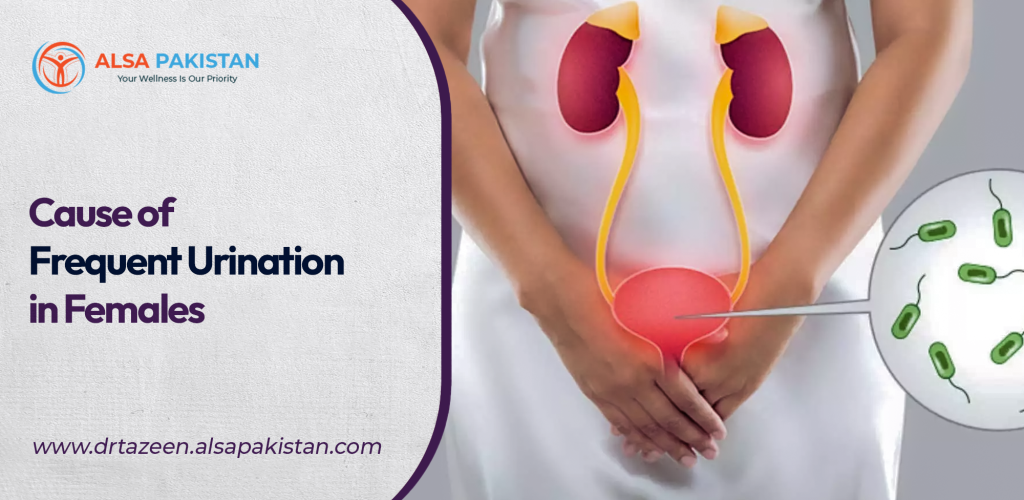
A woman’s life is much more challenging than that of men regarding various aspects of life. Among these, one reason is that they are more susceptible to certain diseases. Frequent urination is one of these. It is a condition that can affect any woman regardless of age. At the same time, there are cases where frequent urination in females is just because of the intake of a large volume of fluids. However, many women experience a sudden change in their urination habits. In some cases, frequent urination may come with pain.
It may simply be because of something basic or may be indicating the existence of a health issue. One common reason for excessive urination may be a UTI. Yet it is not only a single thing that causes the development of the condition. Therefore, consulting a qualified gynaecologist may help establish the cause for an appropriate diagnosis. She is known for her patient-centered approach and compassionate care. This article is all about the causes of frequent urination in females and to help you understand possible causes and recognise when to seek medical advice.
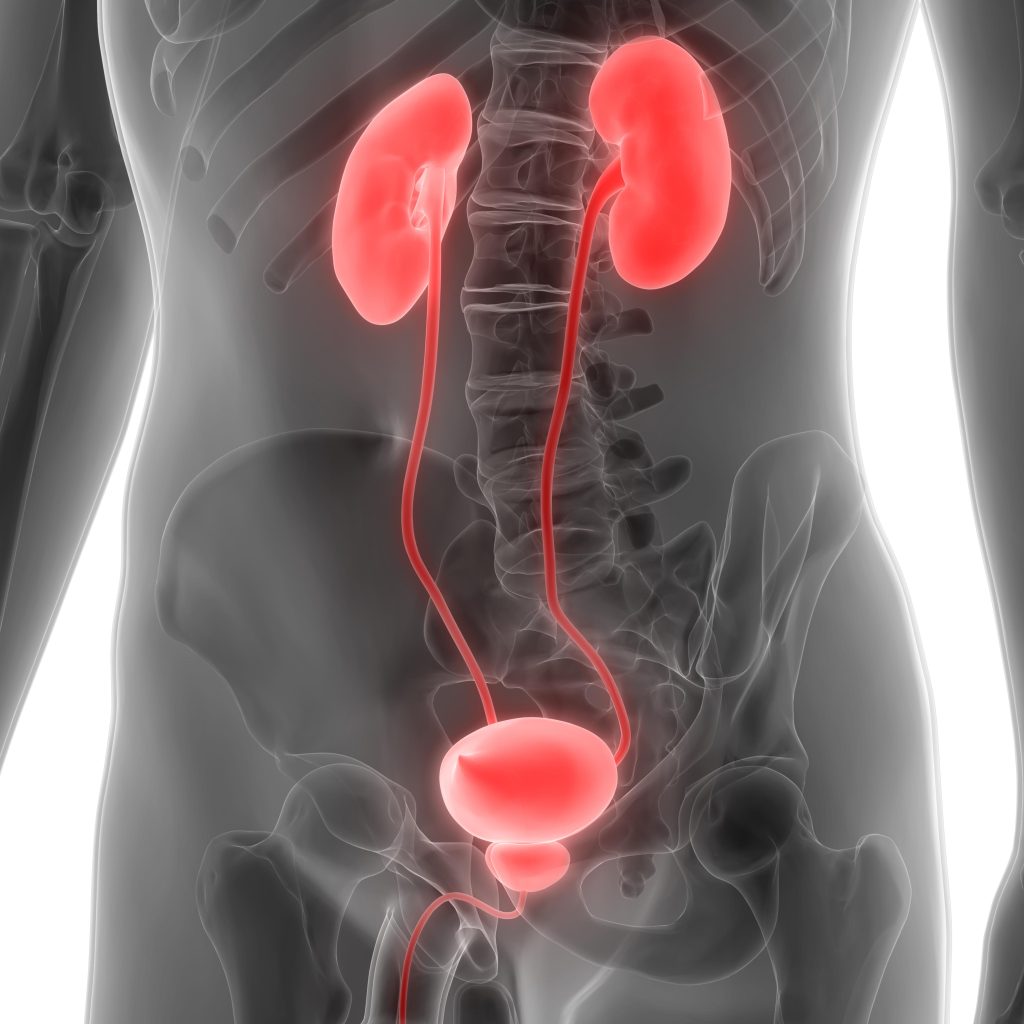
Frequent urination is defined as urinating more frequently than normal. The definition of frequent is also individualized, as it differs for every single woman. Normal urinary habits will depend on age, amount of fluids ingested, and many other factors.
The issue gets worse when a woman starts urinating excessively both during the day and night and has to wake up many times to do so. It can happen alone or in combination with a strong urge to urinate fast. Moreover, frequent urination is not related to the excretion of a large amount of urine. Some diseases lead to frequent bladder evacuation even if there is little urine in it.
Frequent urination can happen for many reasons. Some causes are temporary while others may need medical attention. The cause may also vary depending on a woman’s age and overall health. Below is a list of some possible causes of frequent urination in females.
A urinary tract infection is one of the common reasons for frequent urination in females. Bacteria may enter the urinary tract and multiply in the bladder.
A bladder infection may cause frequent or intense urges to urinate. It can also cause burning while urinating. In addition, some women may notice lower abdominal discomfort. Urine may appear cloudy or have a strong smell.
Blood may also appear in the urine. Women are more likely to develop bladder infections because the female urethra is shorter. Its location also makes it easier for bacteria to enter the urinary tract.
Pregnancy is a major factor that affects the frequency of urination. The hormonal changes significantly impact the urinary system. Additionally, an increase in pressure on the bladder due to the expanding uterus is quite evident.
After delivery, the pelvic floor muscles can become stretched and weaker, whether following vaginal birth or C section delivery, which may affect bladder control.
Healthcare professionals consider frequent urination during pregnancy normal. However, women should not assume every urinary change is part of pregnancy.
UTIs are also more common during pregnancy and can cause complications if they spread to the kidneys. Hence, persistent urinary changes after childbirth may also need medical assessment.
Patients suffering from diabetes often experience increased urinary frequency. The reason is that the kidneys try to excrete the excess glucose in the urine. Diabetes can also cause the development of bladder issues in women.
This happens due to the influence of diabetes on the nerves controlling the bladder. Yet, increased urinary frequency can be a cause for concern, especially when combined with increased thirst and unexplained weight change and fatigue.
An individual with an overactive bladder suffers from multiple unexpected urges to urinate, which tend to be involuntary and frequent.
Female overactive bladders cause people to frequently use the bathroom both during the day and sometimes at night. It may also be the case that the urge to urinate causes leakage of urine. This condition is very common amongst women. Pregnancy, childbirth, and menopause put one at a higher risk for such problems.
Various changes occur in a female’s body during the perimenopausal and menopausal phases. Hormonal change is one of these and may impact the urinary tract system. A decrease in estrogen levels may result in vaginal and urinary tract tissue thinning and drying.
It may lead to irritation of the bladder and contribute to frequent urination and UTIs. Genitourinary syndrome of menopause may include frequent urination among its symptoms and is one of the common women’s health issues that can affect women during this stage of life.
The increased amount of fluid consumption increases the amount of urine production. It is especially noticeable when a woman drinks several glasses of liquid in a relatively short period of time.
Some fluids may lead to increased frequency of urination.
For example, beverages that contain caffeine will cause this problem. Alcohol can also lead to urinary symptoms. Restriction of consumption of drinks as caffeine and alcohol could help you have better control over your bladder. However, severe restriction of fluid intake is unhealthy.
Drugs can also be responsible for frequent urination because some medicines result in producing increased amounts of urine. For example, patients with high blood pressure or problems with retaining fluid are usually prescribed diuretics. Consequently, increased fluid production results in the elimination of extra fluid from the body and, definitely, in the form of urine.
Furthermore, drugs may influence the functions of the bladder. Women who start urinating frequently while on some new medication are advised to discuss this problem with their doctor.
Another problem that can affect the urinary tract and cause frequent urination in females is kidney stones. The stone might irritate the bladder or obstruct the passage within the urinary tract.
Symptoms like back or side pain or blood in the urine are related to the condition. Severe pain can happen when a stone passes through the urinary tract. Hence, it is essential to undergo a medical examination if there is frequent urination with pain or blood in the urine.
Pelvic organ prolapse refers to the medical condition where the pelvic organs descend due to weakening of the supportive tissues. In certain cases, the bladder descends into the anterior vaginal wall. This condition is referred to as cystocele.
The condition may cause Bladder outflow. Some women feel pressure in their pelvis, while others have urinary leakage or urge sensations.
Incontinence problems may also be related to constipation. This is because having a large amount of stool within the rectum increases pressure on the bladder. Hence, Chronic constipation may also cause urinary incontinence problems. Therefore, getting rid of constipation may help relieve bladder problems and hence frequent urination.
The normal functioning of the bladder relies on nerve communication from the brain to the bladder. Diseases affecting the nerves can also affect normal bladder function.
Nervous diseases, therefore, may be able to cause urgency-frequency or urinary incontinence. Yet, it is manageable. Hence, women with persistent urinary complaints and neurological diseases should see a physician.
For Every Stage of Women’s Health, Contact Dr. Tazeen Ashraf for Compassionate Care. Expert Treatment. Better Well-Being.
Every time, frequent urination in females may not be something to worry about. But if you experience this condition frequently, you shouldn’t overlook it.
You will have to consult your doctor if frequent urination persists without any explanation. In particular, seeking medical help is compulsory when Frequent urination accompanies the following symptoms
Furthermore, it is crucial to discuss your bathroom habits with a healthcare professional if you are pregnant.
In summary, high urine frequency does not necessarily imply a medical condition. However, any sudden or consistent change needs attention. Causes of frequent urination in females could be UTIs, pregnancy, diabetes, and menopause. Moreover, Bladder and pelvic floor disorders may also contribute to this condition.
The signs may be similar despite different causes. This means that finding out the real reason is necessary to treat it properly. Dr Tazeen Ashraf is a dedicated gynecologist and a fertility specialist with extensive clinical experience. Her patients regard her for accurate diagnosis of the problem and advanced treatments.
Women should consult a competent medical expert in case of ongoing or painful urine frequency along with fever or blood to avoid severe medical emergencies and to increase their health expectancy.