

Numerous things happen at their own pace and do not get attention because of being a natural part of life. Similarly, for females, having their period is an everyday thing. However, it becomes problematic when periods come at odd times or do not occur for several weeks or even months. In such a scenario, there is much that can flood your mind.
Is there any serious medical condition you are suffering from? Is it time to seek medical help, or is it best to wait? Irregular periods in women are common at different ages. Hormonal imbalances can affect the menstrual cycle during puberty and in preparation for menopause, while conditions such as PCOS can also cause persistent cycle irregularities and may require PCOS treatment in Lahore.
A competent gynecologist like Dr Tazeen Ashraf can help you find out the real cause and the appropriate treatment accordingly. Through her strong clinical judgment and expertise in handling complex gynecological issues, patients can confidently deal with the problem.This blog aims to help you understand the possible causes of irregular periods and explore the treatment options available to manage the condition effectively.
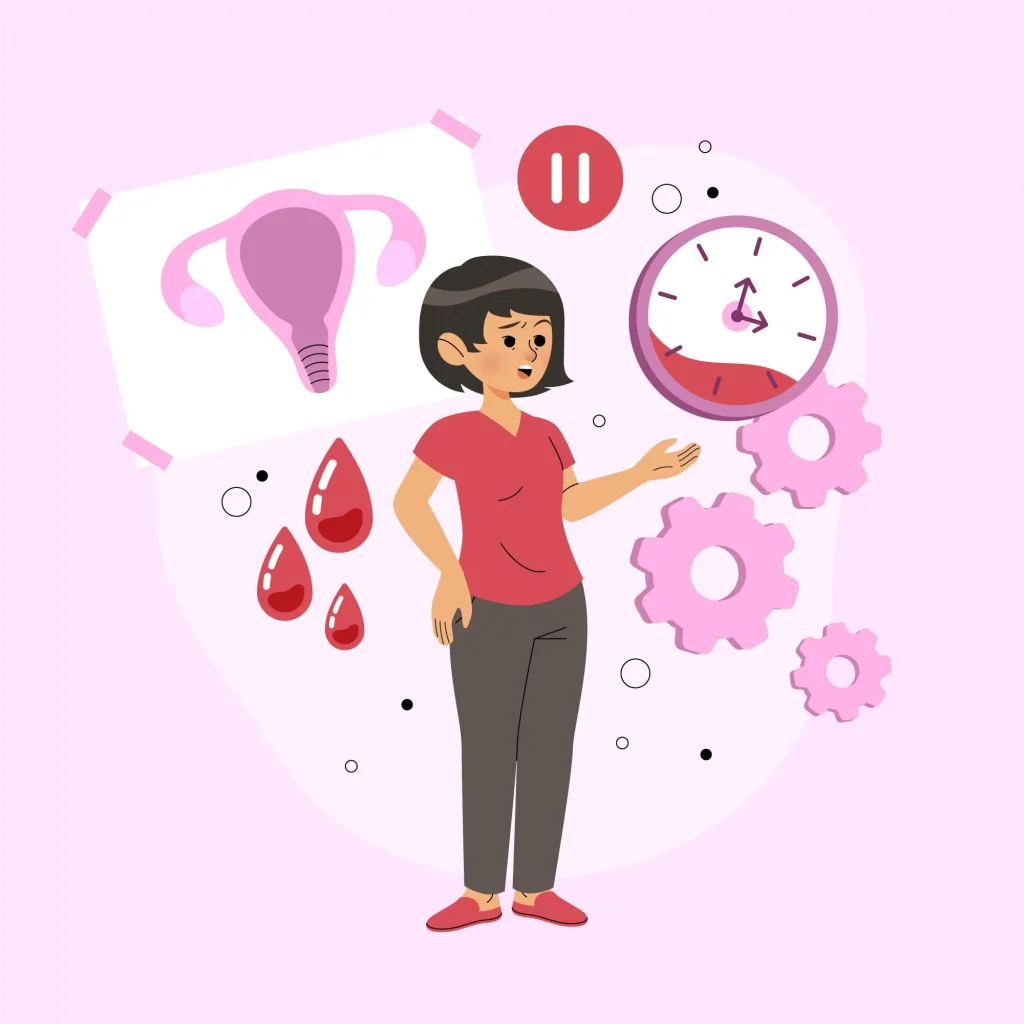
Generally, a woman will be counted as having regular periods if her menstrual cycle is consistent each month. Women usually experience their periods every 21 to 35 days, but the actual time can differ from one person to another. Irregular periods refer to a woman whose menstrual cycle becomes inconsistent for any reason. The menstrual cycle begins on the first day of one period and ends before the onset of another period.
There is an expected variation in cycles. However, there is often a possibility of having an irregular period if periods frequently occur earlier than usual or later than usual. Some women also experience excessive bleeding or very light periods. Different patterns occur among different people. Hence, one instance of an irregular period does not necessarily mean anything.
However, anything out of the routine needs attention and possibly medical consultation. Majority females suffer from the problem due to circumstantial reasons like temporary stress or weight changes due to pregnancy. These issues may be resolved with light efforts; however, an expert opinion is a must to prevent any severe complications.
Many things could influence the menstrual cycle. Sometimes the condition is temporary, like the cause, and others might need medical attention. Having information about the possible reasons for irregular periods in women enables you to estimate the severity of the issue and seek necessary treatment. Some major causes are listed below.
It is normal for young girls to have irregular periods when they are in their teens. This is because the body needs some time to create a balance regarding hormones. In this case, the ovaries and the brain are still learning how to produce the hormones necessary for ovulation.
Consequently, periods may occur at different intervals. The outcomes could be heavier bleeding or a very light one. However, over time things improve and consistency in periods occurs.
Hormonal imbalances before menopause may also lead to irregularities in menstruation. This condition is referred to as perimenopause.
In this case, oestrogen and progesterone may undergo significant changes. At the same time, ovulation may become irregular as well. Consequently, periods may become shorter or longer.
In some cases, there may be no periods at all. There may also be changes in bleeding. Perimenopause usually takes place at mid-life. Nonetheless, its timing is different for each woman individually.
What Is PCOS? Polycystic Ovary Syndrome (PCOS) is a prevalent hormonal disorder that can significantly affect ovulation. PCOS patients can have irregular or skipped menstruation.
They may also develop skin problems such as acne and hair growth on the face or body. Moreover, body weight changes can happen too. However, this condition can affect women regardless of their body types.
The thyroid plays a pivotal role in various processes in the body. Moreover, it interacts with reproductive hormones. Hence, its poor or excessive functioning, which are hypothyroidism and hyperthyroidism, respectively, can influence menstruation cycles.
In the case of hypothyroidism, a patient can have a heavy or rare menstrual flow. In the case of hyperthyroidism, it can be light or less frequent. Various other symptoms can appear. Some common ones are
A considerable change in body weight can also affect menstrual cycles. Weight loss can diminish energy levels necessary for reproductive functions. The impact can be seen in ovulation and absence of menstruation.
On the other hand, too much weight gain may have an impact on the level of hormones. Irregular ovulation often occurs in overweight or obese women.
Exercise usually has a positive effect on health. At the same time, excessive physical activity can affect menstrual cycles. Irregular periods or their absence may occur in athletes and women who do intense training.
This condition may develop when energy consumption exceeds energy intake. The problem may become evident if physical activity is combined with limited nutrition or considerable weight loss.
Stress could have an impact on many functions within the body. The menstrual cycle is one of these. A high level of stress could impact the hormones related to ovulation, causing delays in periods or skipping one.
Some factors, such as stress from work or relationships, significant changes in one’s life, bad sleep and emotional issues, are highly impactful. However, periods usually become more regular with improved conditions that led to stress.
Some medications might affect menstrual bleeding or cycle length. Following medication could directly affect the menstrual cycle;
Women taking medication and experiencing changes in their periods should talk to their doctors about it.
Breastfeeding may also naturally affect the menstruation process. Hormones involved in lactation after childbirth may stop ovulation. Thus, in some cases, women may experience absence of menstruation for several months. In other cases, they may experience irregular vaginal bleeding during menstruation.
Timing may vary among women. Nevertheless, breastfeeding is not always a contraceptive. Thus, ovulation may happen before the first period after childbirth.
Abnormalities in the uterus itself may lead to abnormalities in the menstrual bleeding process. Among these, two conditions often occur. These are
In some instances, tissues that resemble the inner layer of the uterus grow outside it. This medical condition is endometriosis. It may result in painful periods and pelvic pain. Additionally, some women may experience heavy or irregular bleeding. However, the signs differ from one woman to another.
There are certain pelvic infections that may affect the reproductive system and the menstrual cycle of women. One example is pelvic inflammatory disease. It happens when some infections move up into the reproductive tract. Signs may include;
Meet Dr Tazeen Ashraf To Receive Advanced Treatments and Personalized Care Step Up For A Healthier and Pain-Free Life Today
Reasons for having irregular periods in women may differ with age. Here is a summary
Teens: Hormonal development is one of the most common causes of irregularity in menstruation. But in the case of prolonged irregularities, other contributing factors may exist.
Reproductive-aged women: Pregnancy, PCOS, stress, weight gain/loss, medications, and reproductive health disorders are possible reasons.
Women in perimenopause: Perimenopause could be the primary reason in this phase of life.
In the end, irregular periods in women can happen at any age. Some common reasons include hormonal changes associated with puberty and perimenopause. Nevertheless, pregnancy, PCOS, thyroid disease, stress, weight gain/loss, exercising too much, medication use, and other reproductive issues can cause the problem as well. These are among the common women’s health issues that may affect menstrual health and overall well-being.
Sometimes, irregular periods may not indicate a serious problem, but persistent changes should not be ignored. Tracking your menstrual cycle can help identify patterns and provide useful information to your doctor.
Dr. Tazeen Ashraf is a dedicated and compassionate gynecologist who provides personalized care and advanced treatment options for various menstrual health concerns. If irregular periods persist or are accompanied by heavy bleeding or severe pain, seeking timely medical advice can help identify the underlying cause and guide appropriate treatment.